Commercial HVAC Maintenance: What Small Offices Should Plan For
If you own or manage a small office in Winder, GA, a clear maintenance plan helps keep your HVAC system reliable, efficient, and comfortable for employees, customers, and visitors. The goal is not just to “check the unit,” but to catch small issues early, protect indoor air quality, and understand when professional diagnosis is needed.
Why Small Offices Need a Maintenance Plan
Office HVAC maintenance is different from basic home comfort because commercial spaces often run longer hours, serve more people, and may have equipment mounted on the roof. Even a small office can depend on packaged rooftop units, split systems, zoning controls, fresh air ventilation, and higher-capacity filtration.
When maintenance is overlooked, comfort problems usually show up in familiar ways:
- Rooms that are too warm or too cold
- Employees adjusting the thermostat throughout the day
- Weak airflow from certain vents
- Humidity, stale air, or lingering odors
- Unusual noises from the indoor equipment or rooftop unit
- Higher energy use without a clear change in business hours
A good commercial HVAC maintenance checklist gives you a simple structure so nothing important gets missed.
Commercial HVAC Maintenance Checklist for Small Offices
Here is a practical checklist small office owners and property managers can use throughout the year. Some items are safe for a building owner to observe or document, while others should be handled by a trained HVAC technician.
Monthly Office HVAC Checks You Can Safely Do
- Check thermostat settings and schedules. Make sure occupied and unoccupied times match your actual office hours. Incorrect schedules can waste energy or leave the building uncomfortable in the morning.
- Look at accessible air filters. If your system has filters in an easily accessible return grille, check whether they are dirty or restricted. Replace only with the correct size and type recommended for the system.
- Keep supply and return vents open. Avoid blocking vents with desks, cabinets, boxes, or décor. Blocked airflow can affect comfort and strain equipment.
- Walk the space and note comfort concerns. Write down hot spots, cold rooms, odors, or noisy areas. This helps your technician diagnose patterns instead of guessing.
- Check around indoor equipment. Look for water on the floor, rust, unusual smells, or obvious damage. Do not remove panels or touch electrical components.
- Listen during startup and shutdown. Rattling, banging, grinding, or repeated clicking should be noted and reviewed by a professional.
For rooftop equipment, do not climb onto the roof unless you are properly trained and authorized. A safe visual check from the ground may be enough to notice obvious damage, debris, or a unit that sounds abnormal, but rooftop unit service should be performed by a qualified technician.
Seasonal Professional Maintenance Tasks
Most small offices should plan professional maintenance before the heavy cooling season and before the heating season. In Georgia, spring and fall are useful times because your system can be inspected before extreme heat or cooler weather puts it under higher demand.
During a professional visit, a technician may inspect and service items such as:
- Air filters and filter fit
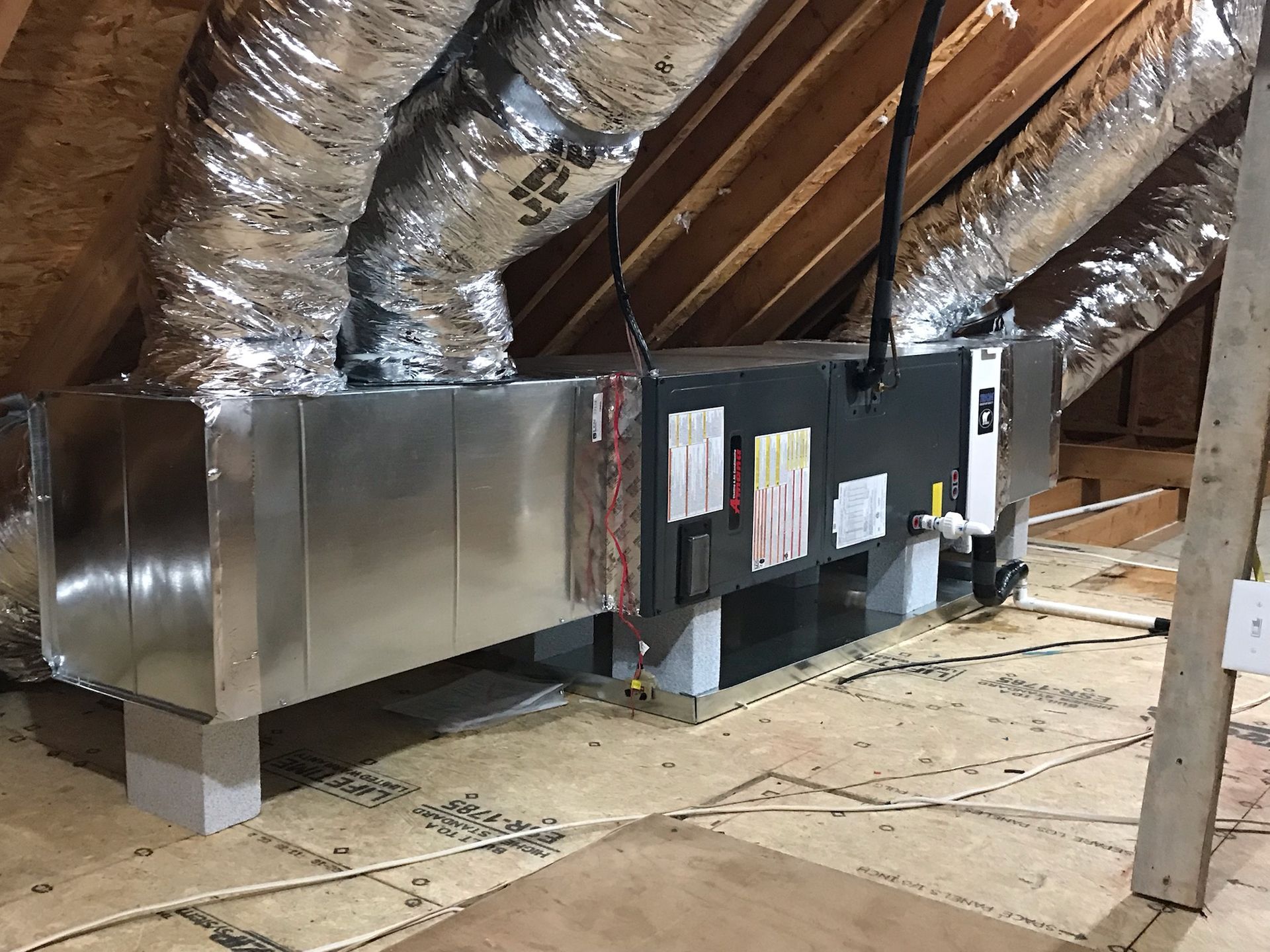
- Blower motor and wheel condition
- Electrical connections and control components
- Thermostat operation and programming
- Condensate drain lines and pans
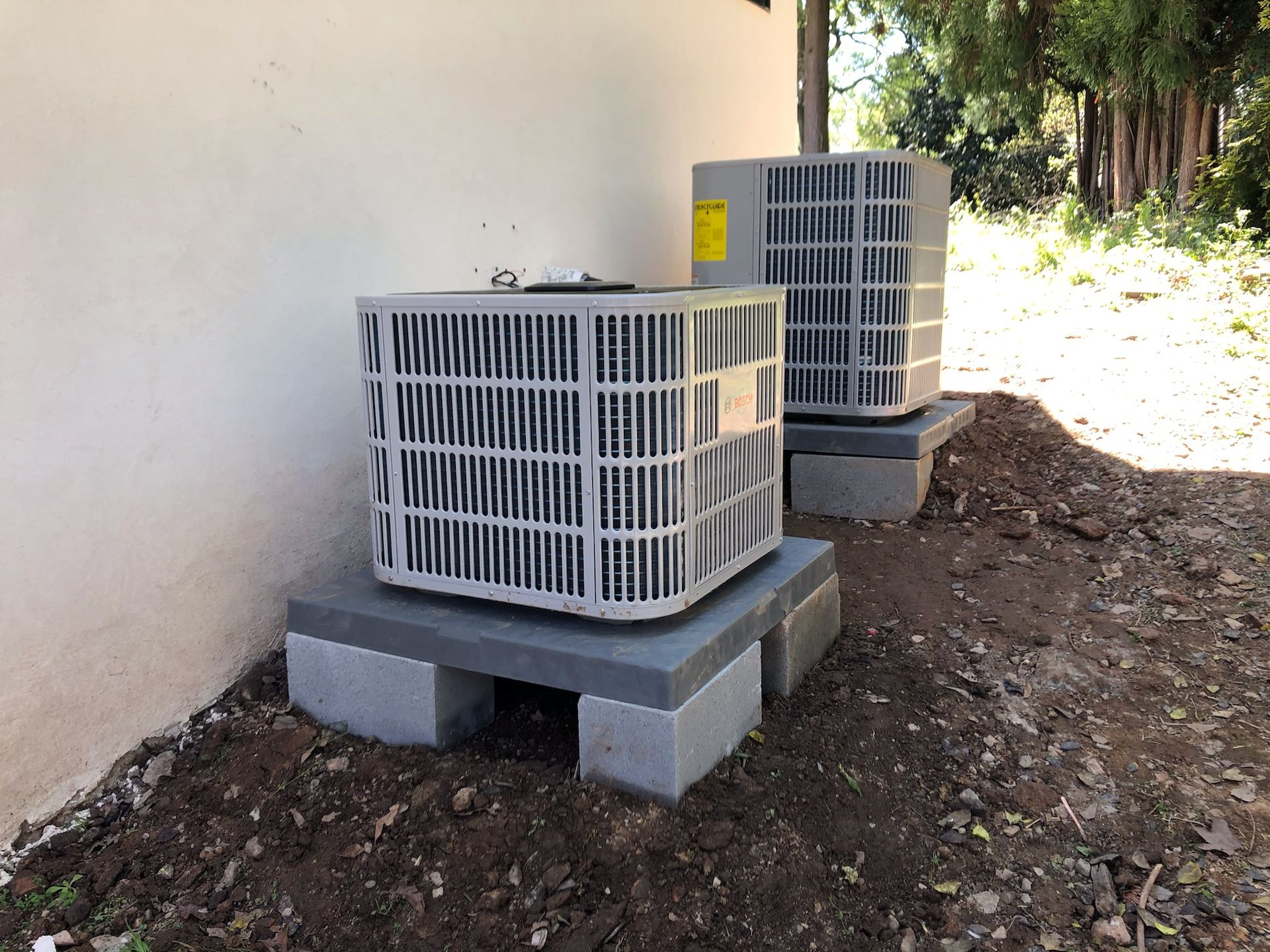
- Evaporator and condenser coil condition
- Refrigerant circuit performance
- Compressor and fan operation
- Economizer operation, where applicable
- Gas heat components and safe heating operation, where applicable
- Overall airflow and temperature performance
This is not just a cleaning visit. A good technician is looking at how the system is operating as a whole: airflow, electrical performance, refrigerant behavior, drainage, controls, and safety. That type of diagnosis helps separate a minor maintenance issue from a developing repair concern.
What to Know About Rooftop Unit Service
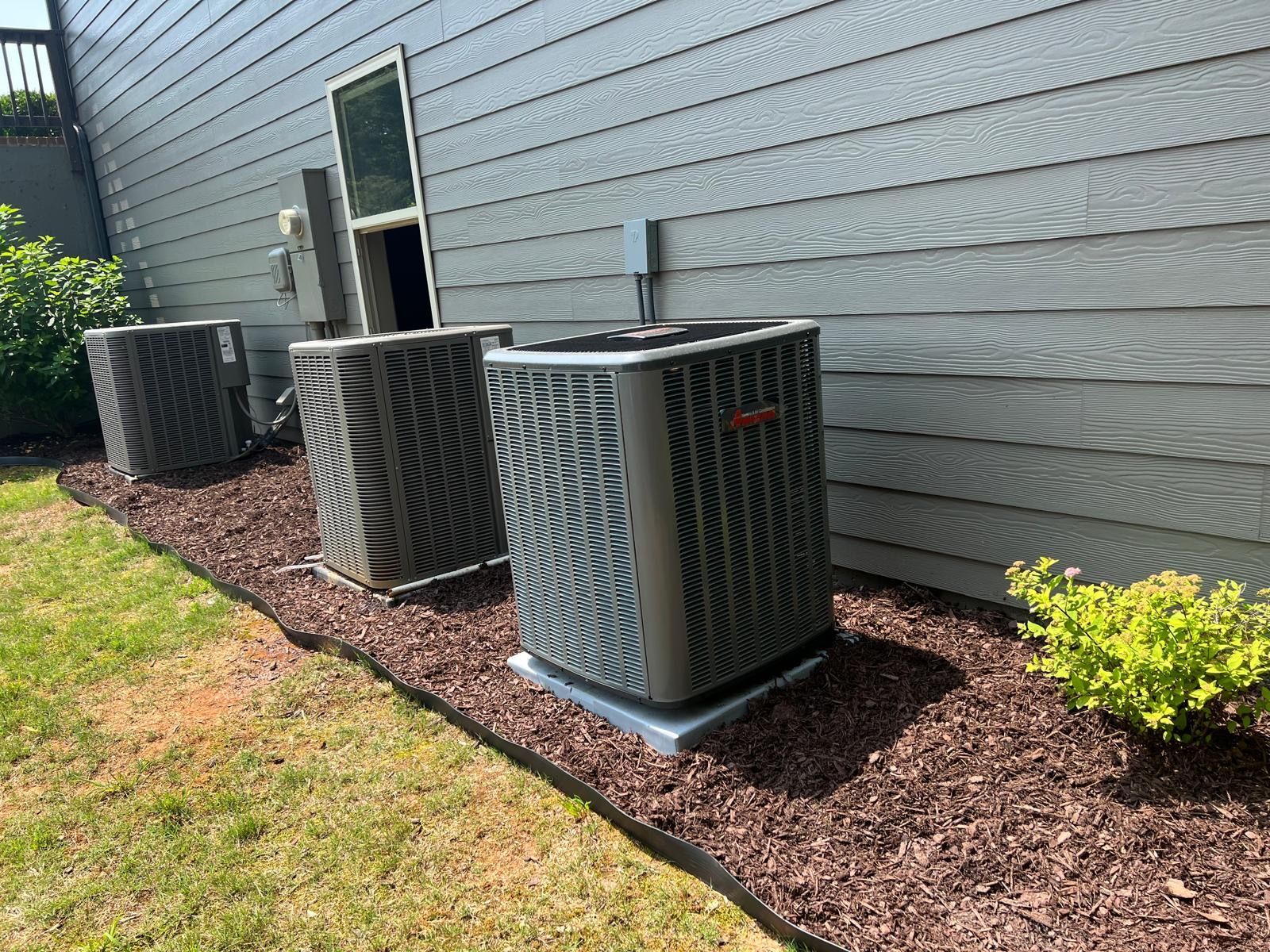
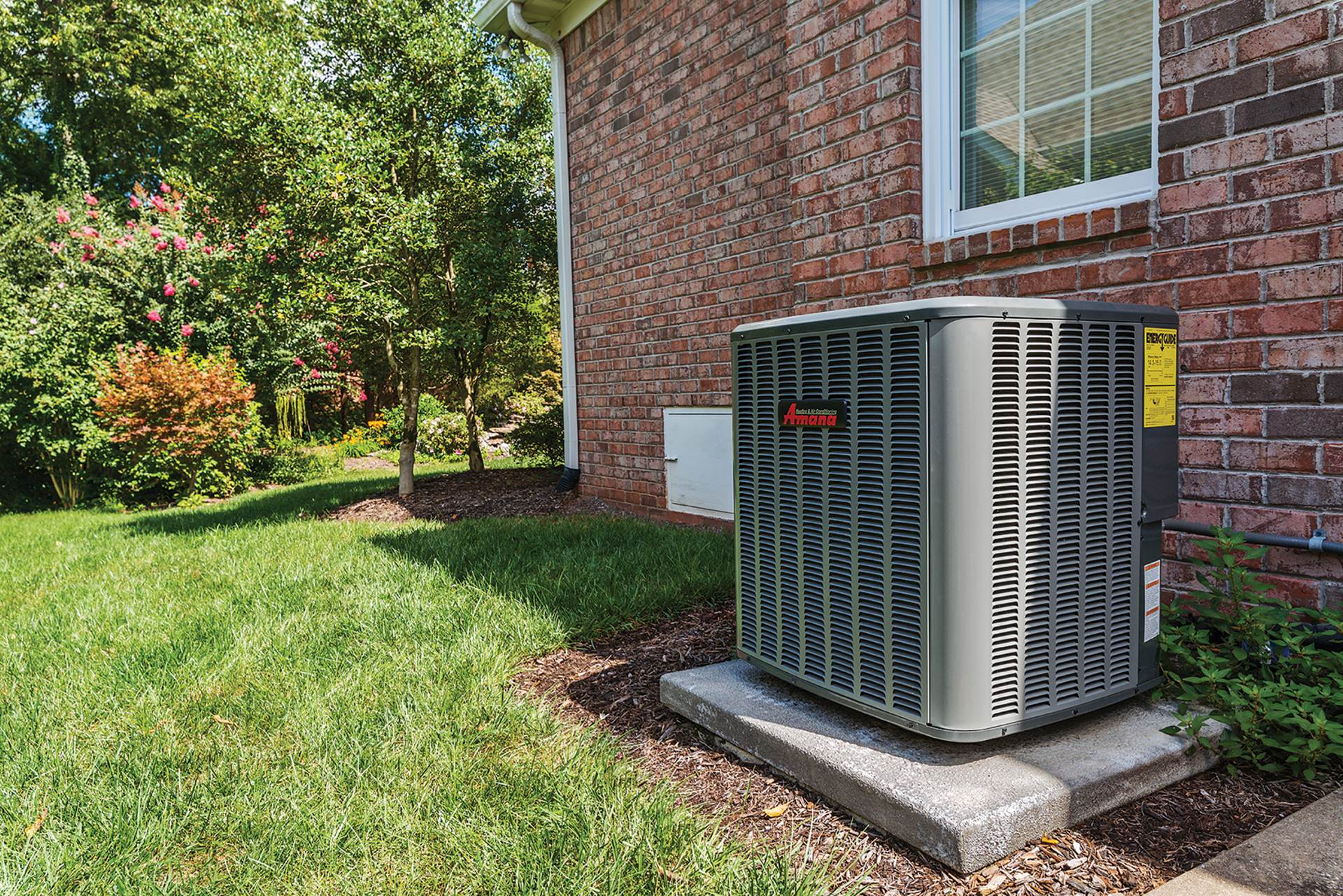
Many small commercial buildings use packaged rooftop units, often called RTUs. These units place cooling, heating, blower, and control components in one cabinet on the roof. They are common because they save indoor space and can serve offices efficiently when properly maintained.
Rooftop unit service should include more than a quick filter change. Your technician should evaluate the condition of the cabinet, panels, coils, fans, belts if equipped, drain system, electrical controls, and overall operation. Outdoor exposure matters, too. Rooftop units deal with heat, rain, leaves, pollen, wind, and debris throughout the year.
Small offices in the Winder area also deal with heavy cooling demand during Georgia summers. A rooftop unit that is dirty, low on airflow, or struggling with controls may still run, but it may not keep the office consistently comfortable. Regular service helps identify those issues before they become more disruptive.
Indoor Air Quality and Ventilation Matter in Offices
Comfort is not only about temperature. A small office can feel uncomfortable when air is stale, humidity is high, or filtration is not matched to the equipment. Indoor air quality should be part of your office HVAC maintenance plan.
Important areas to discuss with your HVAC professional include:
- Filtration: Using the right filter type for the system, not just the highest-rated filter available.
- Ventilation: Making sure outdoor air components are operating as designed, especially in commercial settings.
- Humidity: Watching for moisture issues, musty smells, or condensation concerns.
- Air distribution: Confirming that conditioned air is reaching the spaces where people actually work.
If your office has frequent odors, stuffy rooms, or humidity problems, the solution may not be as simple as lowering the thermostat. It may require evaluating airflow, ventilation, equipment sizing, duct design, or control settings.
When Professional Diagnosis Is Needed
Some HVAC symptoms should not be ignored or handled as a do-it-yourself project. Call a professional when you notice:
- The system short-cycles or turns on and off repeatedly
- Breakers trip or electrical smells are present
- Ice forms on refrigerant lines or coils
- Water is leaking around indoor equipment
- The rooftop unit is making loud or unusual noises
- Rooms remain uncomfortable even after filter changes
- The thermostat is blank, inaccurate, or not responding correctly
- Heating operation produces unusual odors or inconsistent performance
Commercial systems include electrical, refrigerant, gas, airflow, and control components that require proper tools and training. A careful diagnosis protects your equipment and helps avoid replacing parts that are not the true cause of the problem.
Planning Maintenance Around Business Needs
For small offices, HVAC maintenance should be scheduled with business operations in mind. If your office sees clients during the day, ask whether maintenance can be planned during a slower period. If the system serves multiple suites, communication with tenants or employees helps reduce confusion while the technician is on site.
Keep a simple record of:
- Maintenance dates
- Filter sizes and replacement dates
- Recurring comfort complaints
- Repairs and recommendations
- Equipment model and serial numbers
- Thermostat schedules
This record helps your HVAC company understand the history of the system and make better long-term recommendations. It also helps you plan for aging equipment instead of reacting only when something stops working.
FAQs About Commercial HVAC Maintenance
How often should a small office schedule HVAC maintenance?
Many small offices benefit from professional maintenance twice per year: once before cooling season and once before heating season. Buildings with longer operating hours, rooftop units, heavy customer traffic, or indoor air quality concerns may need more frequent filter checks or service visits.
Can office staff change HVAC filters?
Sometimes, yes, if the filters are safely accessible and staff know the correct size and type. However, filters inside rooftop units, mechanical rooms, or equipment panels should usually be handled by a qualified technician. Using the wrong filter can reduce airflow or affect system performance.
What is included in rooftop unit service?
Rooftop unit service typically includes checking filters, coils, fans, motors, belts if equipped, drains, electrical components, controls, refrigerant performance, heating operation, and overall system condition. Because rooftop equipment involves fall risk and technical components, it should be serviced by trained professionals.
References
Need Office HVAC Maintenance in the Winder Area?
A well-maintained office HVAC system supports comfort, cleaner air, and more dependable daily operation. If you need a clear maintenance plan, honest diagnosis, or professional rooftop unit service, 460 AIR LLC is ready to help. Request service from 460 Air.