
Why Is Your AC Freezing Up? Turning It Colder Will Not Solve It
If your AC freezes up, turning the thermostat colder will not solve it. In most cases, it makes the system run longer while the coil is already too cold, which can build more ice and put extra strain on the equipment. The safer first step is to stop cooling, let the ice thaw, and find out why it froze.
What It Means When Your AC Freezes Up
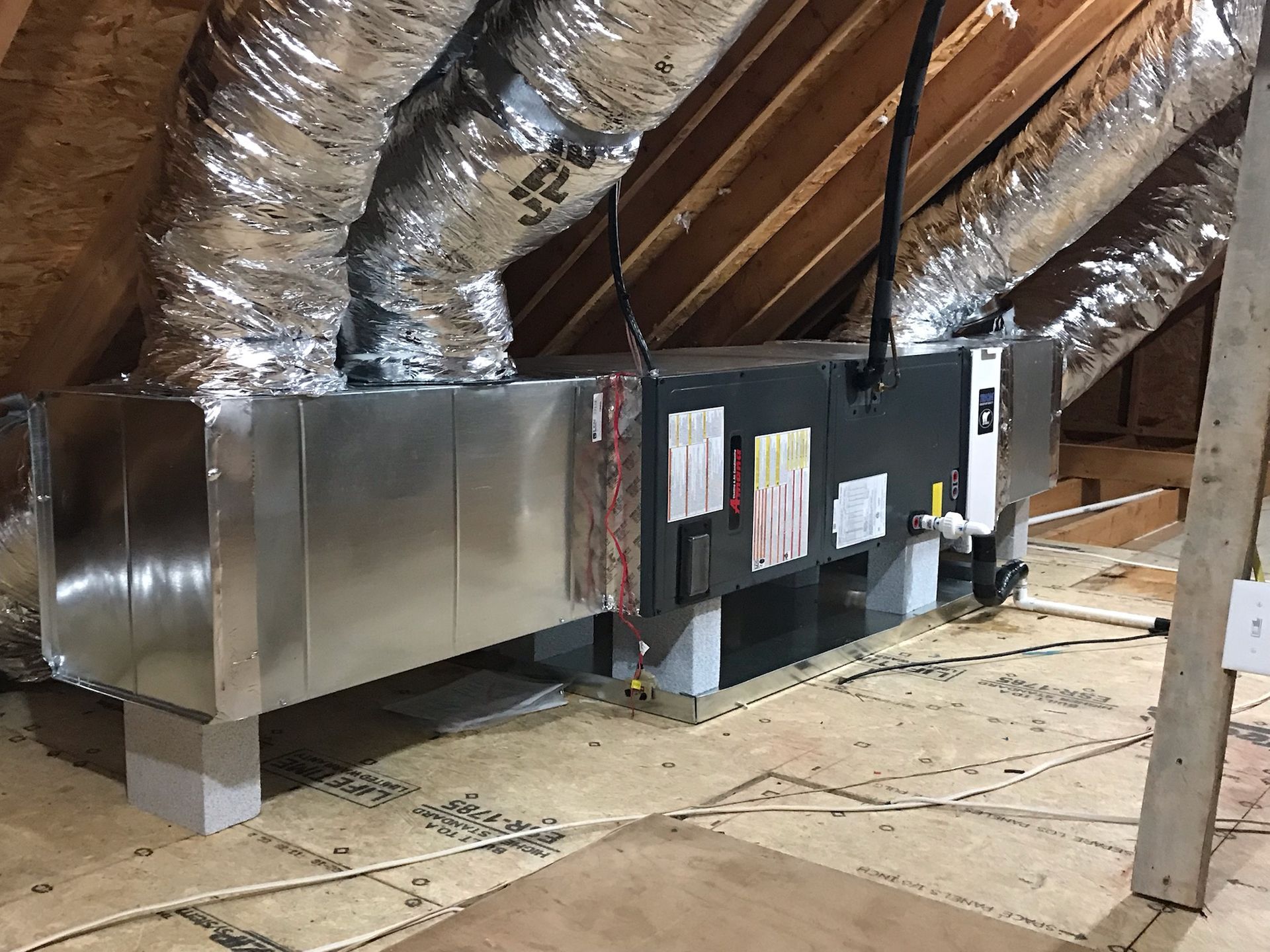
Your air conditioner cools your home by moving warm indoor air across the evaporator coil. That coil contains refrigerant and is designed to absorb heat from the air. When everything is working properly, the coil gets cold, moisture condenses on it, and that water drains away.
A frozen evaporator coil happens when the coil temperature drops below freezing and moisture turns into ice instead of draining. Once ice starts forming, airflow gets even worse, the coil gets colder, and the problem can snowball quickly.
In a humid Georgia climate, especially around Flowery Branch and Lake Lanier, there is plenty of moisture in the air. That means an airflow or refrigerant problem can turn into visible ice faster than many homeowners expect.
Why Turning the Thermostat Colder Makes It Worse
It is understandable to think, “The house is warm, so I’ll lower the thermostat.” But if the AC freezes up, the system is not struggling because the thermostat is too high. It is struggling because it cannot absorb and move heat correctly.
Lowering the thermostat tells the system to keep running. If the evaporator coil is already freezing, more runtime usually means more ice. Eventually, the system may blow little to no air, cool poorly, leak water as it thaws, or put stress on the compressor.
A colder thermostat setting does not remove ice, fix airflow, repair a blower problem, or correct a refrigerant issue. It only asks the equipment to do more work while something is already wrong.
Common Reasons for a Frozen Evaporator Coil
There are several possible causes of a frozen evaporator coil. Some are simple homeowner maintenance issues, while others require professional testing and repair.
- Dirty air filter: A clogged filter restricts airflow across the evaporator coil. Without enough warm air moving over the coil, the coil temperature can fall below freezing.
- Blocked return or supply vents: Furniture, rugs, closed registers, or blocked return grilles can reduce airflow. Your AC needs proper air movement through the entire system.
- Dirty evaporator coil: Dust and debris on the coil act like insulation. Even if the filter looks clean now, past filtration issues can leave buildup on the coil.
- Blower motor or fan issue: If the indoor blower is weak, failing, or not running at the correct speed, the coil may not receive enough airflow.
- Ductwork restrictions: Crushed, leaking, undersized, or poorly connected ducts can reduce airflow and comfort throughout the home.
- Refrigerant problem: Low refrigerant, an incorrect charge, or a metering device issue can cause pressure and temperature conditions that lead to freezing. Refrigerant issues should always be diagnosed by a qualified HVAC professional.
- Thermostat or control problem: Controls that keep the system running too long, or a thermostat placed in a poor location, can contribute to operating problems.
What Ice on AC Lines Can Tell You
If you notice ice on AC lines, especially the larger insulated copper line near the outdoor unit or near the indoor air handler, it often means the freezing began at the evaporator coil inside. That line may normally feel cold and may sweat during operation, but it should not be covered in frost or ice.
Ice on AC lines is a warning sign, not just a cosmetic issue. The ice you can see outside the cabinet may only be part of the problem. There may be a larger block of ice inside the equipment that needs time to thaw before the system can be properly checked.
Safe Homeowner Checks Before Calling
If your AC freezes up, there are a few safe things you can do before requesting service. These steps are not repairs, but they can help prevent additional strain and may reveal a simple airflow issue.
- Turn cooling off at the thermostat. Do not keep lowering the temperature. Let the system stop cooling so the ice can begin to thaw.
- Turn the fan to “On” only if the blower is operating normally. This can help move room-temperature air across the coil and speed thawing. If the blower does not run, makes unusual noises, or you smell anything electrical, turn the system off and call a professional.
- Check the air filter. If it is dirty or clogged, replace it with the correct size and type for your system.
- Open and clear vents. Make sure supply registers and return grilles are open and not blocked by furniture, curtains, rugs, or storage.
- Allow time for full thawing. Ice inside the air handler can take several hours to melt. Watch for water as the system thaws and protect nearby flooring if needed.
- Do not chip, scrape, or force ice off the coil. Evaporator coils and refrigerant lines can be damaged easily. Avoid using sharp tools or pouring hot water into the equipment.
After the system has fully thawed and airflow issues have been checked, you may try cooling again. If the AC freezes again, shut it off and schedule a professional diagnosis. Repeated freeze-ups are a sign that the underlying problem has not been corrected.
When Professional Diagnosis Is Needed
Professional service is needed when the cause is not obvious, the system freezes more than once, airflow remains weak, or there is visible ice on AC lines after basic checks. A proper diagnosis looks at the whole cooling system, not just the ice.
An HVAC technician may need to check:
- Airflow across the evaporator coil
- Filter fit and return air restrictions
- Blower motor performance and fan operation
- Indoor coil cleanliness
- Static pressure in the duct system
- Refrigerant pressures and temperatures
- Signs of refrigerant leakage
- Thermostat and control operation
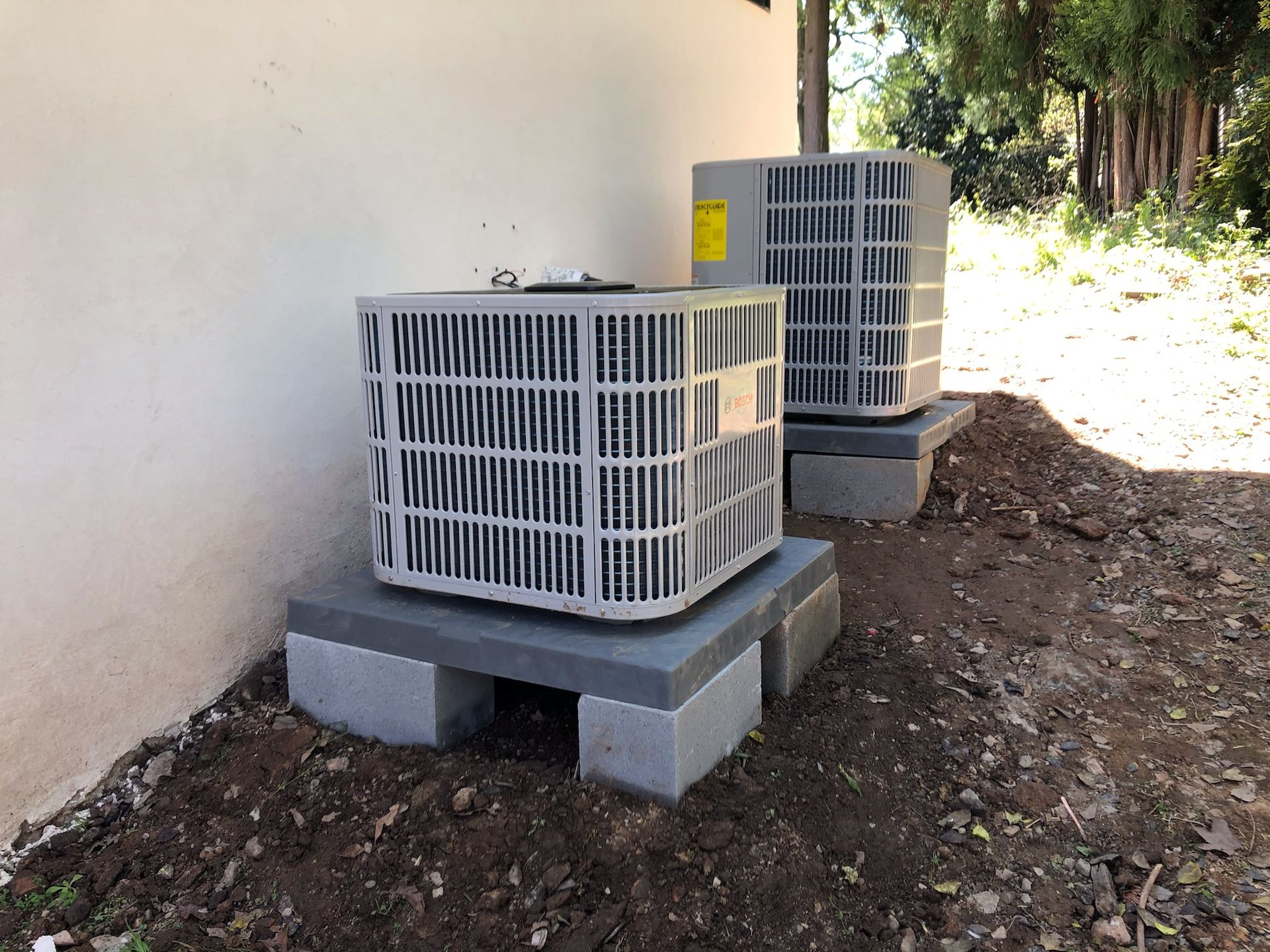
- Outdoor unit condition and airflow
This matters because adding refrigerant without finding the reason for the problem is not a real diagnosis. Air conditioners are sealed systems. If refrigerant is low, there is usually a reason that needs to be found and addressed by someone trained and certified to handle refrigerants.
How to Help Prevent Future Freeze-Ups
No maintenance can guarantee that an AC system will never have a problem, but good care can reduce avoidable freeze-ups and help your system operate more reliably.
- Check your filter monthly and replace it as needed.
- Use the correct filter size and avoid filters that are too restrictive for your system.
- Keep return grilles and supply registers open and clear.
- Keep the area around the indoor unit accessible for service.
- Keep the outdoor unit clear of leaves, grass clippings, and debris.
- Schedule routine HVAC maintenance so airflow, coils, refrigerant performance, and electrical components can be evaluated.
- Avoid extreme thermostat settings that force long runtimes without improving comfort.
The goal is not just to get the ice melted. The goal is to restore proper airflow, heat transfer, humidity control, and dependable comfort.
FAQs About a Freezing AC
Can I run my AC if there is ice on the lines?
No. If you see ice on AC lines, turn cooling off and allow the system to thaw. Running the air conditioner while it is frozen can make the ice worse and may stress the compressor. If the ice returns after thawing, professional diagnosis is needed.
Does a frozen evaporator coil always mean low refrigerant?
No. Low refrigerant can cause freezing, but so can a dirty filter, restricted airflow, a dirty coil, blower problems, or duct issues. That is why a full diagnosis is important before assuming the system needs refrigerant.
How long does it take for a frozen AC to thaw?
It can take several hours, depending on how much ice has formed and whether the indoor fan can safely run. Do not try to break ice off the coil. Once the system is fully thawed, if it freezes again, turn it off and have it inspected.
References
If your AC freezes up in Flowery Branch or nearby, 460 AIR LLC can help identify the cause and recommend the right repair with clear, honest communication. Request service from 460 Air
Recent Posts